
What It Really Takes to Transition to Scratch Cooking in Schools: Why Schools Are Making the Shift
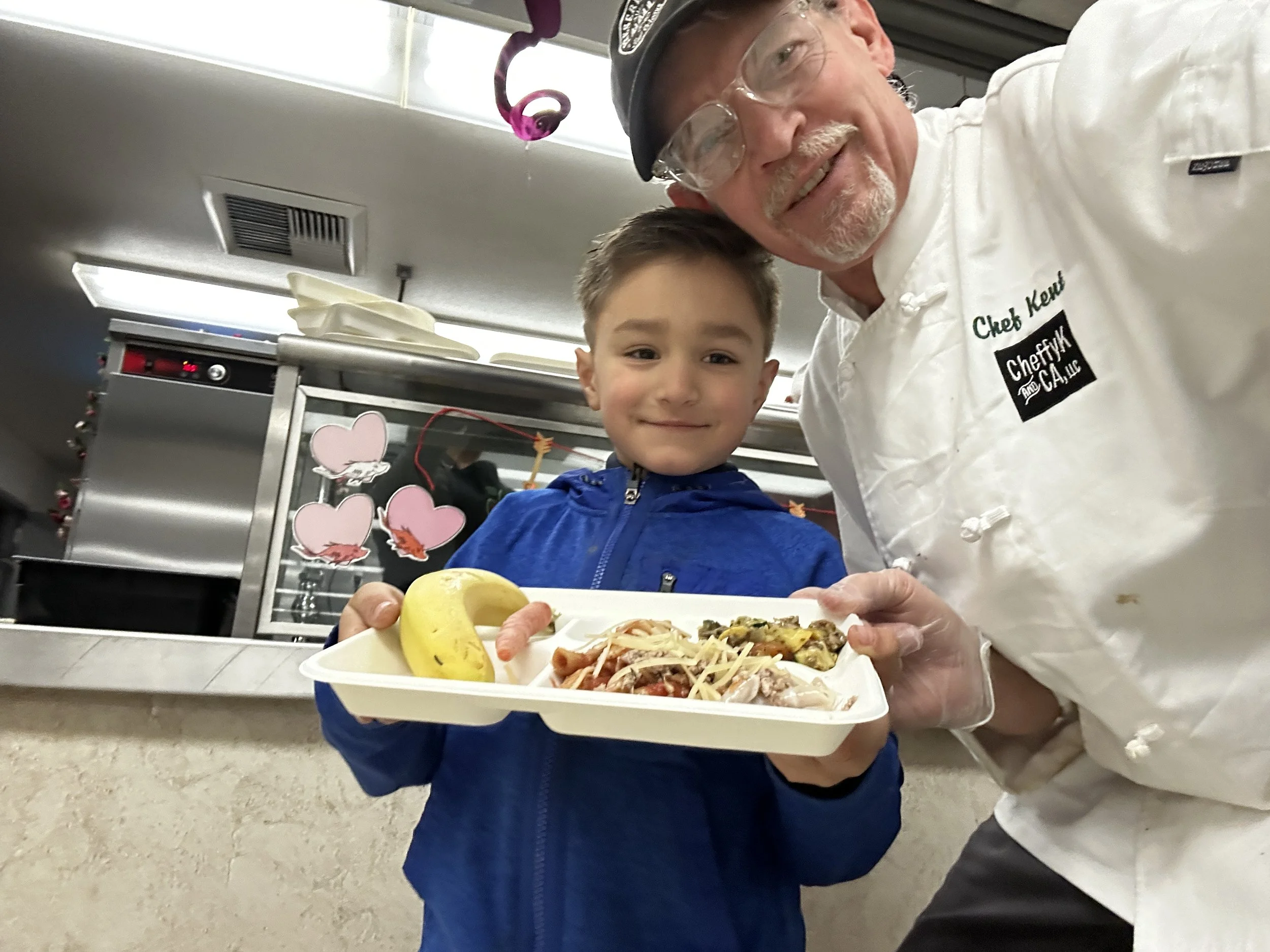
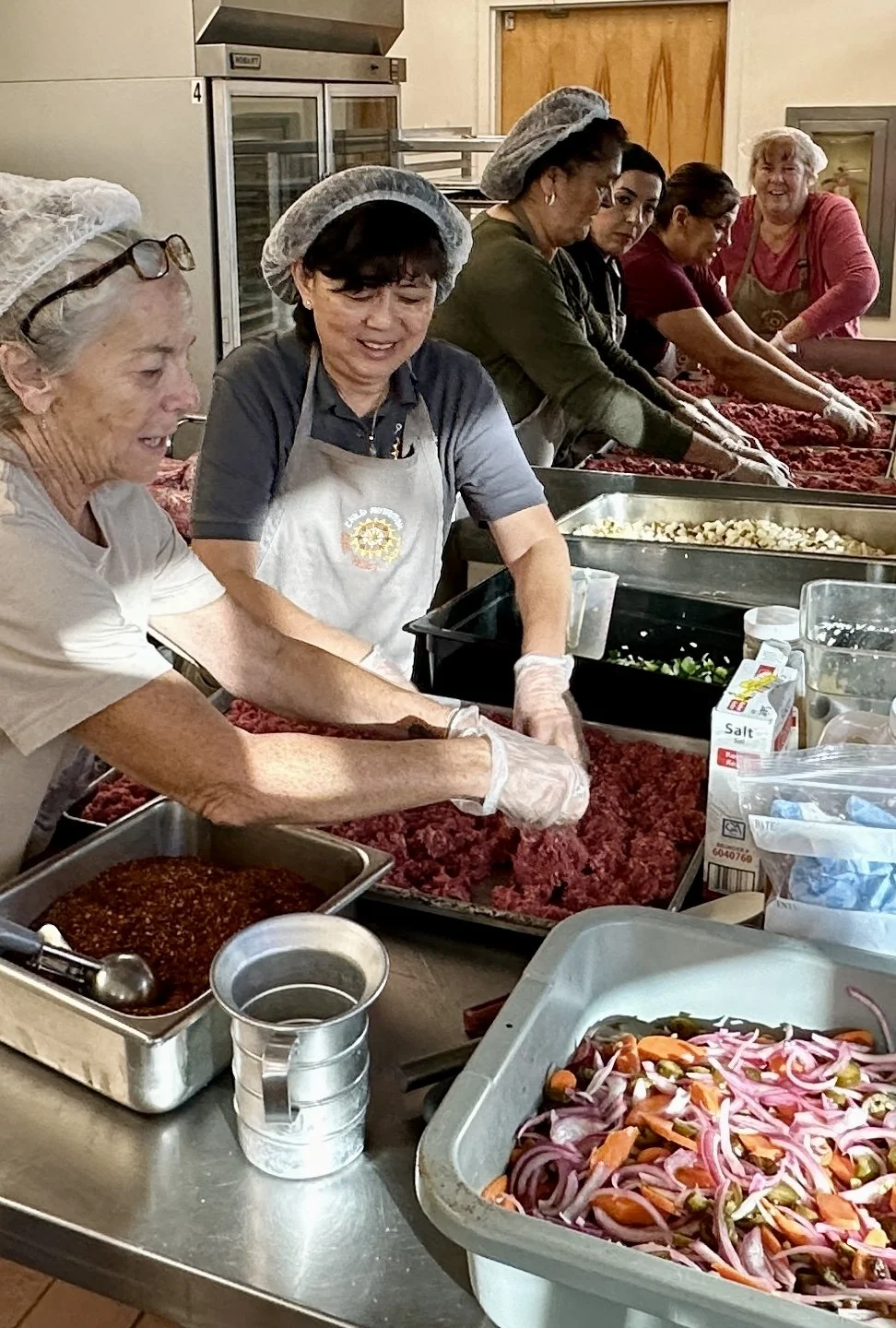
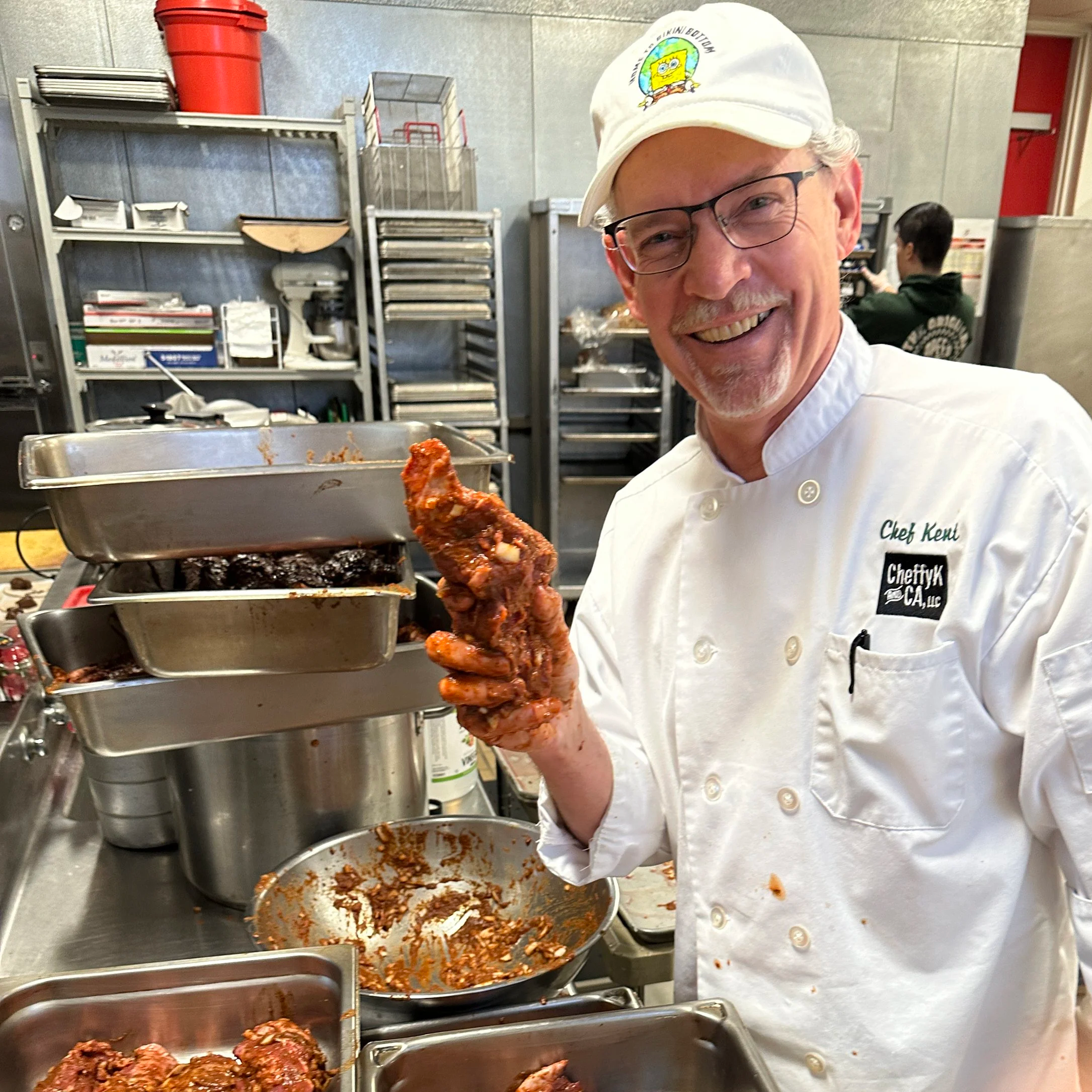
Across the country, school nutrition teams are working toward the same goal: serving meals that nourish students, meet federal guidelines, and actually get eaten.
Many programs are realizing that relying heavily on heat-and-serve, highly processed foods is actually preventing them from accomplishing these goals. Students complain about flavor (or more likely the lack of). Staff feel disconnected from the food they serve. And while convenience products may feel easier in the moment, they often come with higher costs, reduced flexibility, increased waste, and fewer opportunities to truly improve meal quality.
Scratch cooking is an integral part of a better path forward. It brings freshly-made meals, better flavors, and opens more opportunities for local purchasing. All of this deepens the connection between schools and their communities.
Most directors already know that scratch cooking in schools is a better long-term solution, but knowing and implementing are two very different things.
You may have run into roadblocks like limited labor, outdated equipment, tight budgets, staff resistance, or simply not knowing where to begin or what to do next. These challenges are real and common. And they don’t mean your district isn’t capable of making the shift.
After working with districts nationwide, a few things have become clear to our team.
Successful transitions to doing more scratch cooking in school kitchens start by:
Prioritizing your focus – food first!
Learning how to handle whole food ingredients (from the loading dock all the way to the student’s bellies. )
Learning basic culinary skills
Establishing quality production systems that support the food AND the people doing the food production.
These will be the keys to your success.
In Part 2, we’ll look at why scratch cooking is more than a menu change and what systems need to be in place to support it.