What It Really Takes to Transition to Scratch Cooking in Schools: Scratch Cooking Is a Systems Shift
In Part 1 of this series, we explored why many districts are moving toward scratch cooking and the foundational priorities that support success. The next step is understanding that scratch cooking isn’t just about recipes, it’s a systems shift.
Scratch Cooking Is a Systems Shift
Scratch cooking isn’t just using recipes to replace pre-made foods with homemade versions. It’s learning and applying new skills and techniques, establishing different workflows and production methods and, through practice, improving production efficiency.
Before making major menu changes, districts will benefit from evaluating:
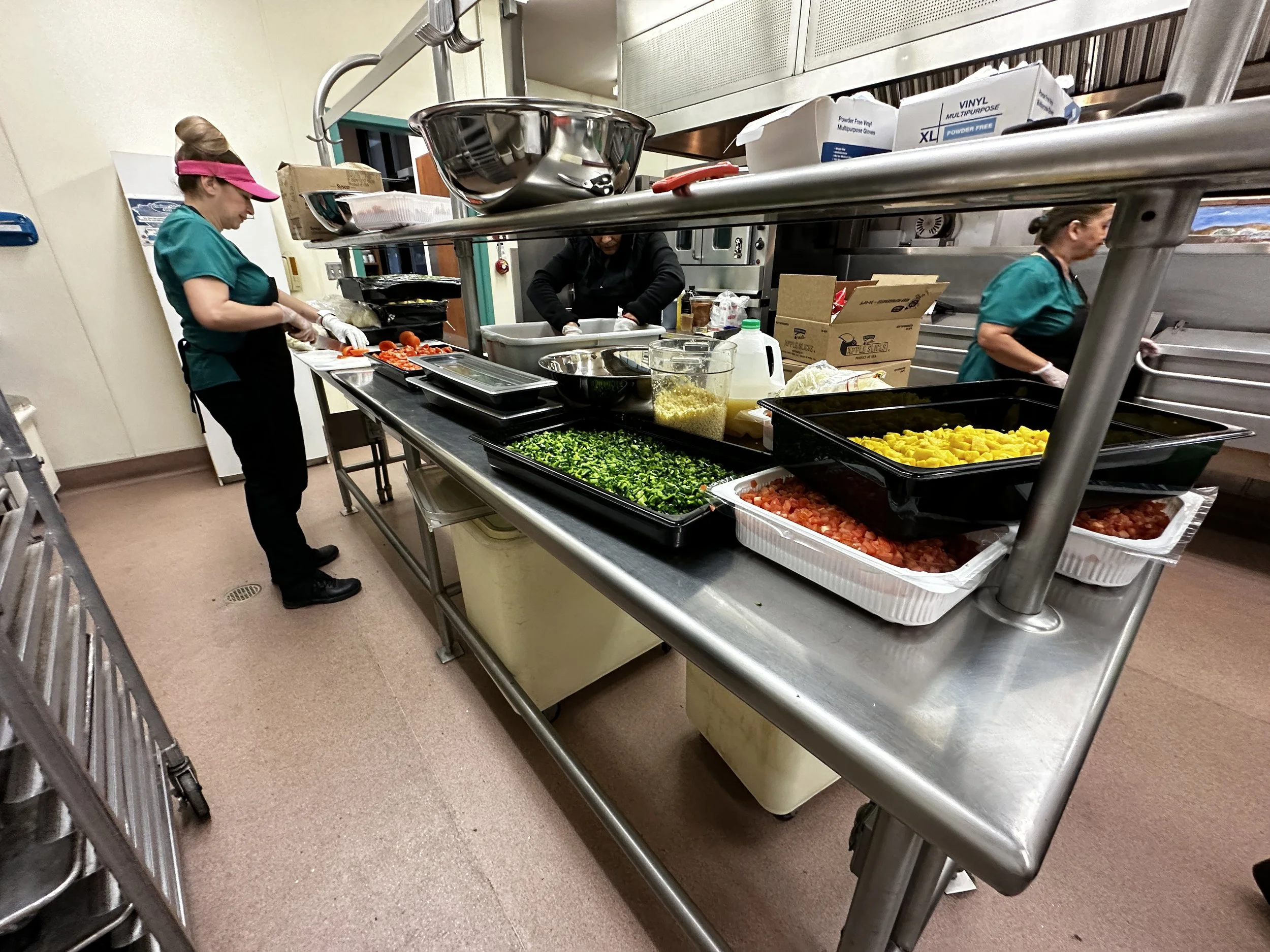
kitchen layout, refrigeration capacity, cooking and prep equipment type and capacity
staff experience and culinary skills
production patterns, rhythms of service, and how labor hours are allocated
utilization of USDA Foods, coop, and bid agreements, establishing what your district’s values are with regard to purchasing, such as buying local products or ingredients, preferencing organic practices, purchasing from women or minority owned companies, and many other vendor/purchasing related topics influenced by your values
food safety and sanitation procedures
having open discussions with county health officials about your plans so they can help you avoid common problems
When systems support the work, scratch cooking becomes sustainable instead of stressful.
Food is First, but Staff Training Is the Foundation
School nutrition professionals have many valuable skills, but many have spent years working within systems built around convenience products. Expecting immediate change without skills training creates frustration and burnout.
New recipes alone do not solve production problems or improve menu offerings. Understanding the skills that the recipes are designed around, do!
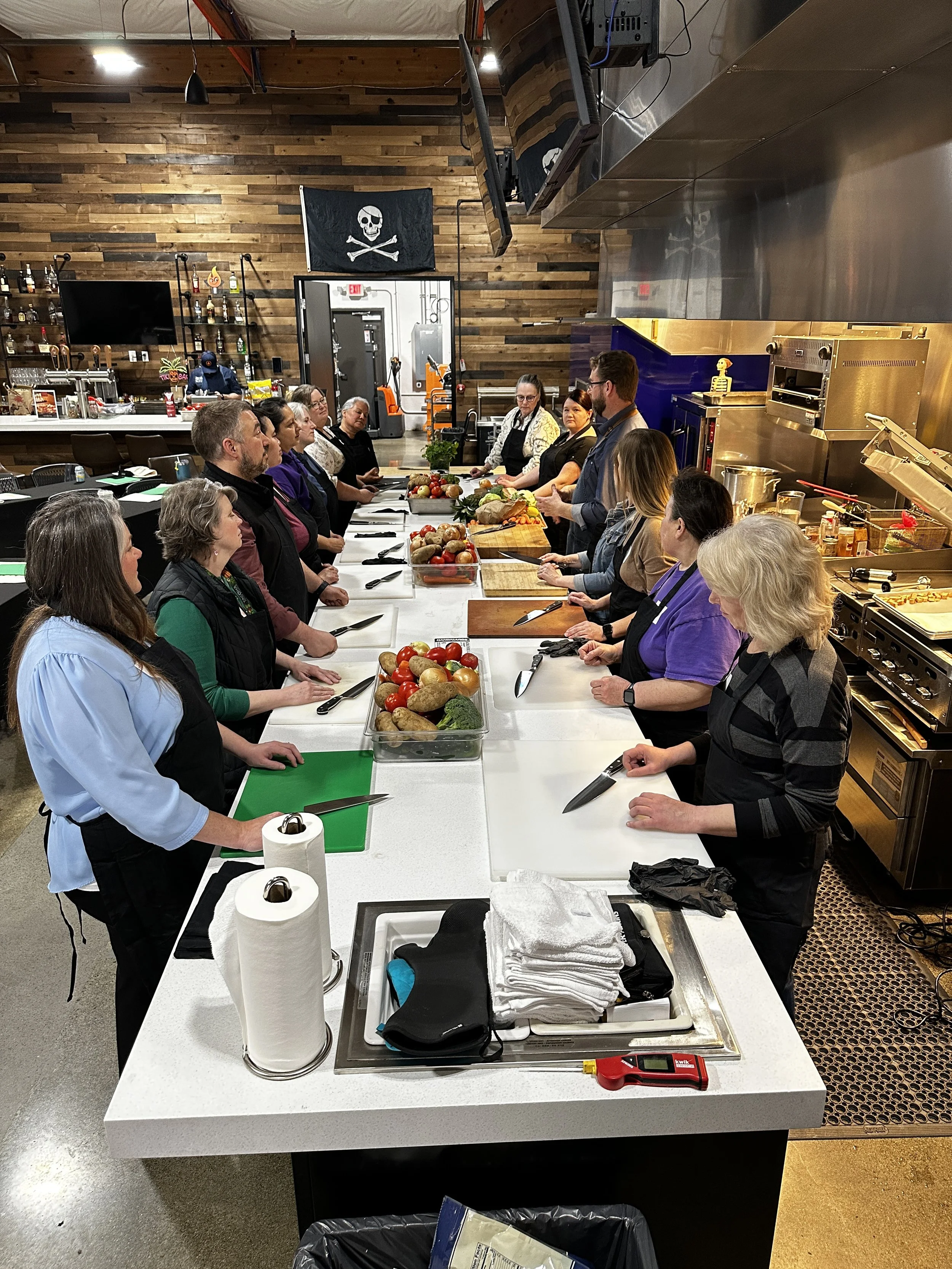
Hands-on, real-world training builds confidence in:
knife and machine prep skills and safe prep techniques
batch cooking for best quality, reduced waste and high-volume production
seasoning and flavor development techniques
time-saving prep strategies
ensures food safety within scratch processes
When staff feel capable, they become invested. Confidence grows quickly when teams experience success firsthand.
With strong systems and a trained team in place, districts can begin making changes that build momentum and staff buy-in. That’s where we’ll go next in Part 3.