What It Really Takes to Transition to Scratch Cooking in Schools: Building Momentum and Long-Term Success
In Part 1 of this series, we explored why many districts are moving toward scratch cooking and the foundational priorities that support success.
In Part 2 we dove into understanding that scratch cooking isn’t just about recipes, it’s a systems shift.
As food-focused systems get established and the new skills are practiced, the transition to scratch cooking starts to look far more manageable.
In this third and final post of the series, let’s look at how to make this the last time you “try” to get scratch cooking off the ground in your operation. Here is how we make it stick!
Start with High-Impact Wins
Districts don’t need to change everything at once. Small, strategic improvements build momentum while keeping workloads manageable.
Strong entry points include:
Fruit and Veg Bars or Salad Bars… it should be illegal not to have one
House-made dressings and simple salads
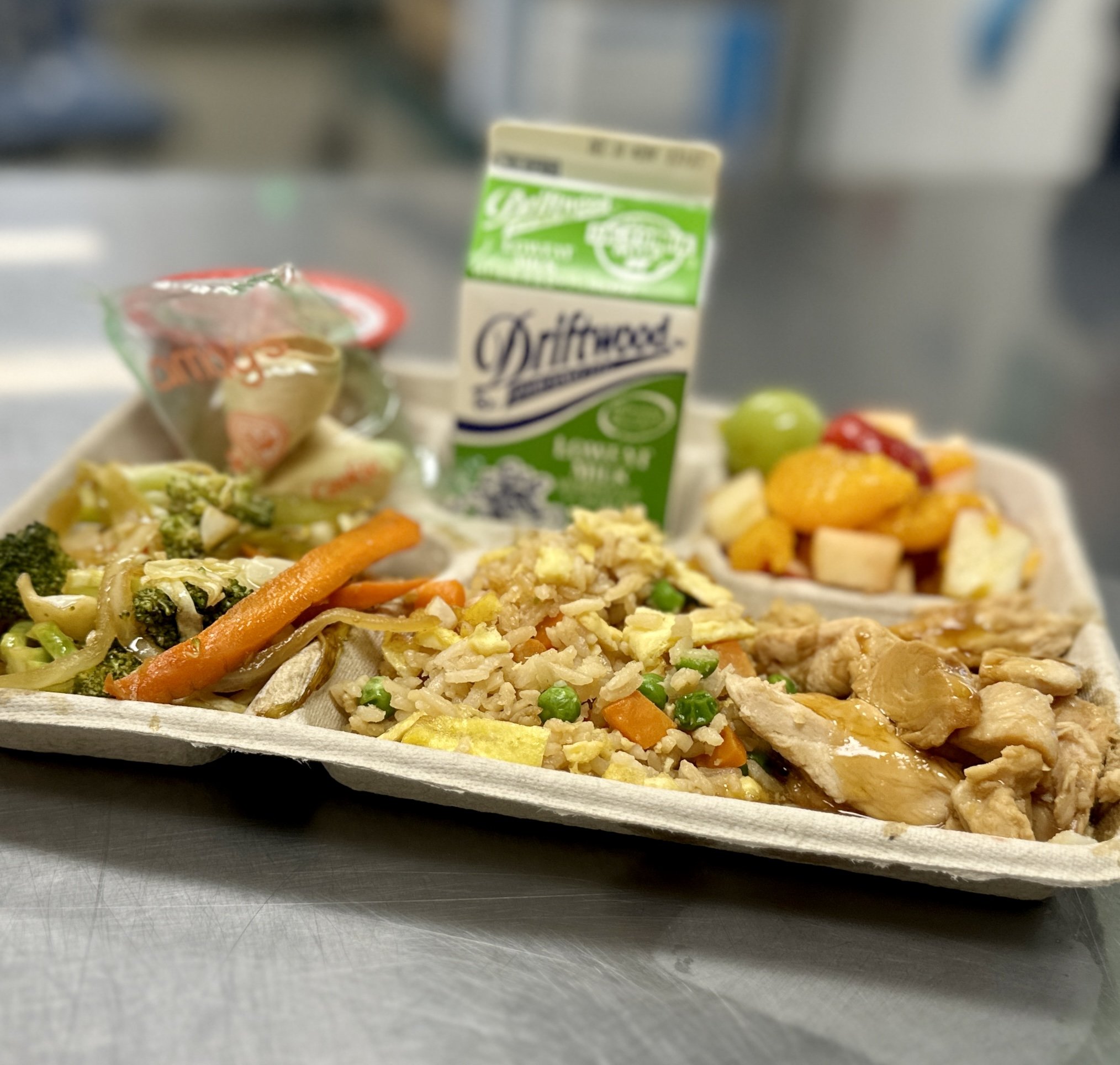
Easy sauces (teriyaki, sweet & sour, pasta sauces)
Scratch taco meat
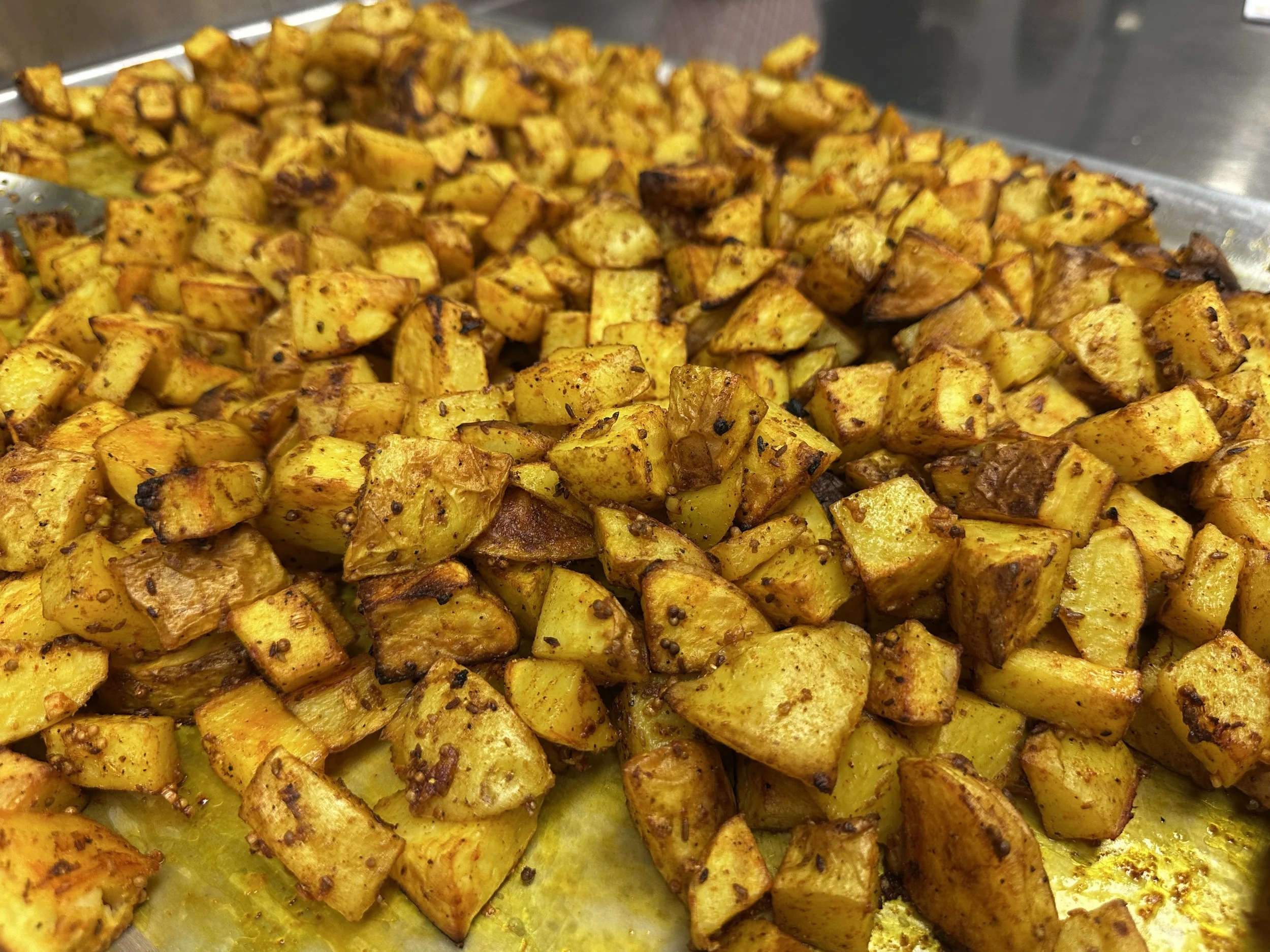
Roasted vegetables instead of steamed or canned
Custom seasoning blends for global flavors
These changes are immediately noticeable to students while helping teams build new skills.
Small wins create buy-in and enthusiasm.
Menu Planning Must Play Nice with Skills and Labor Hours
Scratch cooking frustrates when menus require more skill, time, or labor than teams can realistically provide. Sustainable change depends on designing menus that match real kitchen capacity.
Key strategies include:
Using the “Planned-Overs” approach to menu design (more on this important topic later)
Building menus around multi-use base recipes
Cross-utilizing ingredients
Batch cooking planned into production
Aligning production schedules with labor hours
Letting go of low-impact practices to make room for work that really moves us to goal
The goal is simple: plan ahead and prepare multi-use components once and use them multiple ways.
For example, a Cheese and Egg Bake served at breakfast today becomes the filling for tomorrow’s breakfast burrito. Designing menus this way improves efficiency, reduces waste, and supports consistency.
System-based approaches like this are what make scratch cooking sustainable.
Procurement and Budget Alignment Matter
Scratch cooking can be cost-neutral or even cost-saving when purchasing aligns with the menu.
Districts often benefit from:
Buying whole ingredients instead of processed items
Maximizing USDA Foods
Working with local and regional suppliers
Using seasonal produce at peak quality and lowest cost
Reducing waste through smart planning and quality systems
Student Acceptance Starts with Flavor
Students will try scratch meals when food looks, smells, and tastes good and feels familiar.
Effective strategies include:
Starting with scratch versions of familiar favorites
Seasoning properly and cooking with skill and care
Offering taste tests and gathering feedback
Prioritizing presentation and service
When food looks, smells and tastes good, student acceptance is ensured.
Leadership Support Shapes Long-Term Success
Scratch cooking succeeds when leadership supports realistic pacing, training time, and ongoing skills development.
Strong programs prioritize:
Staff empowerment and pride
Continuous improvement
Collaboration and shared problem-solving
Recognition of impact on student health
Staff culture plays a critical role in your scratch cook program sustainability.
The Real Goal: Building Capacity and Confidence
Scratch cooking isn’t about perfection, it’s about building systems that allow teams to consistently prepare meals from whole food ingredients.
When districts invest in training, menu systems, and supportive workflows, they:
Improve meal quality and program perception
Increase student participation
Strengthen staff confidence and retention
Improve efficiency
Build long-term resilience
Most importantly, they create meals students look forward to eating.
Moving Forward
Transitioning to scratch cooking is a journey. With the right systems and support, districts can move forward with confidence.
Programs grounded in real kitchen experience and supported by practical systems don’t just make scratch cooking possible. They make it sustainable.
"Inviting Chef Kent and Chef Laura into our District was one of the best decisions that I have made in my tenure. Their ability to quickly assess and acclimate to three different high school kitchens and a central kitchen, each with different equipment and staff, was simply amazing. They quickly became part of each team by explaining AND listening to the employees."
Anna M. Apoian, MPA, RD
Norwalk-La Mirada USD